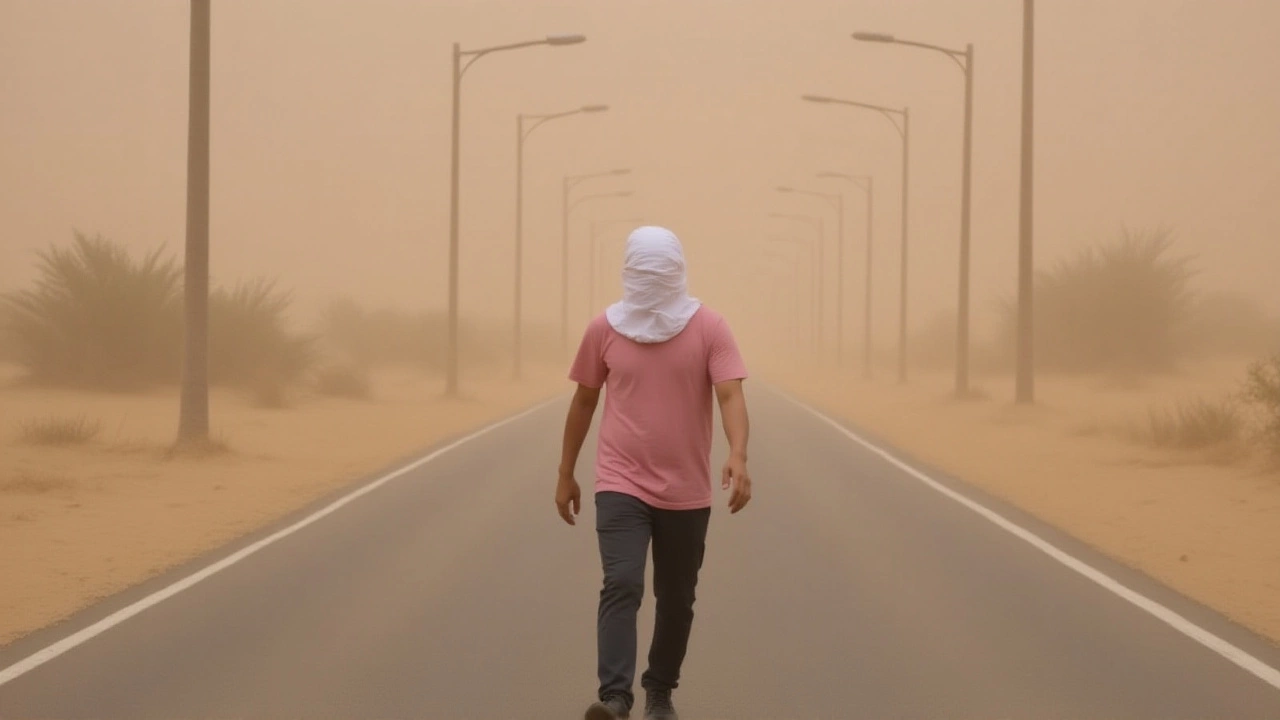
Here’s the thing: if you saw a viral post warning of catastrophic dust storms across 15 Indian states for June 18, it’s likely nonsense. A deep dive into available data reveals zero evidence supporting this claim. Instead, what we’re looking at is a classic case of digital noise masquerading as breaking news.
The rumor mill churned out a Hindi headline claiming a "major alert" for the next 12 hours, citing rain, strong winds, and dust storms. But when AccuWeather and other major meteorological bodies are checked, the story falls apart. There is no such advisory from any recognized authority in India.
The Data Doesn't Add Up
Let’s look at the facts. The search results for this specific date and event yield nothing but routine forecasts for places like Providence, Rhode Island and New York City. In Providence, highs are expected to hit 73°F to 83°F. In New York, it’s 72°F to 84°F. These are standard summer temperatures, not apocalyptic warnings.
Oddly enough, the only people named in connection with "June 18" weather updates are Zoe Mintz, Meteorologist at KPIX | CBS NEWS BAY AREA and Jason Mikell from WBZ/CBS Boston. They are discussing cooldowns in California and Boston, respectively. Neither has anything to do with Indian monsoons or dust bowls.
The twist is that the viral post seems to have stitched together unrelated elements. It mentions "15 states," a number often used in Indian political contexts, but here it serves only to inflate the scale of the scare. Meanwhile, actual weather data from WeatherSpark shows Cumberland, Rhode Island, seeing a modest 7°F increase in daily highs throughout June. Nowhere near a crisis.
Where Did This Hoax Come From?
Misinformation travels fast. The original Hindi text—"अगले 12 घंटों के लिए बड़ा अलर्ट!" (Major alert for the next 12 hours)—uses urgent language designed to trigger anxiety. But wait, where is the source? The India Meteorological Department (IMD) issued no such bulletin. No state disaster management agencies reported widespread dust storms affecting 15 regions simultaneously on this date.
Turns out, these types of hoaxes often recycle old footage or generic stock images of dusty roads. Without a verifiable source link to an official government portal or reputable news outlet like NDTV or The Hindu, the claim collapses under scrutiny. The absence of any mention in local news feeds across Mumbai, Delhi, or Kolkata is telling. If 15 states were under threat, social media would be ablaze with real-time reports, not just forwarded WhatsApp messages.
Why This Matters for Digital Literacy
This isn’t just about bad weather forecasts; it’s about trust. When fake alerts circulate, they erode confidence in legitimate emergency services. Imagine if people ignored a real cyclone warning because they’d been desensitized by false dust storm scares. That’s the real danger.
Experts suggest checking primary sources. If the IMD says skies are clear, believe them. Don’t rely on anonymous screenshots. The pattern here is familiar: sensational headline + vague details + urgent tone = clickbait. It’s a formula that works too well, which is why platforms need better detection tools.
What Should You Do Next Time?
Before sharing, pause. Verify. Look for the official logo of the issuing agency. Check the timestamp. Ask yourself: does this make sense climatically? For instance, while dust storms do occur in northern India during pre-monsoon months, a simultaneous event across 15 diverse states—from Kerala to Jammu—is meteorologically improbable without a massive, system-wide disturbance that would be widely reported.
In this case, the answer is simple: stay calm. The sky isn’t falling, nor is it filled with toxic dust. Just another day in the age of information overload.
Frequently Asked Questions
Is there really a dust storm alert for 15 Indian states on June 18?
No, there is no credible evidence or official advisory from the India Meteorological Department (IMD) or any state authorities confirming a dust storm alert affecting 15 states on June 18. The claim appears to be misinformation circulating on social media without factual basis.
Who are Zoe Mintz and Jason Mikell mentioned in relation to this date?
Zoe Mintz is a meteorologist at KPIX in the San Francisco Bay Area, and Jason Mikell is a forecaster for WBZ in Boston. Both provided routine local weather updates for June 18, 2026, focusing on US conditions. Their names appeared in search results due to the date match, but they have no connection to Indian weather events.
Why did AccuWeather show temperatures for Rhode Island and New York instead of India?
The search algorithms retrieved global weather data for June 2026. Since no specific Indian alert existed, the most prominent results were standard monthly forecasts for major US cities like Providence and New York, which showed typical summer ranges (e.g., 72-84°F). This highlights the lack of relevant Indian data in the query results.
How can I verify if a weather alert is genuine?
Always check official sources like the India Meteorological Department (IMD) website or trusted news outlets. Genuine alerts include specific district names, timing, and safety instructions. Be skeptical of vague claims using phrases like "major alert" without citing an authoritative source or providing verifiable links.